Saving money has become more important than ever as living costs continue to rise. Small habits and daily choices can make a big difference in how much we manage to keep. gomyfinance.com saving money is designed to help people take control of their finances through tracking, budgeting, and smart adjustments. With the right tools and mindset, anyone can build lasting financial stability and feel more confident about their financial future. In this article, we will explore practical ways to manage your budget, cut unnecessary costs, and use gomyfinance.com saving money strategies to keep more of your hard-earned money in your pocket.

The Power of Tracking Expenses
Keeping track of every expense is one of the most effective habits for saving. Many people are surprised at how small daily purchases quickly add up. By logging spending and reviewing categories, it becomes easier to spot unnecessary costs and make adjustments. Expense tracking creates awareness, which naturally leads to better decision-making. The process might feel simple, but it lays the foundation for stronger saving habits and gives you a clearer picture of where your money really goes.
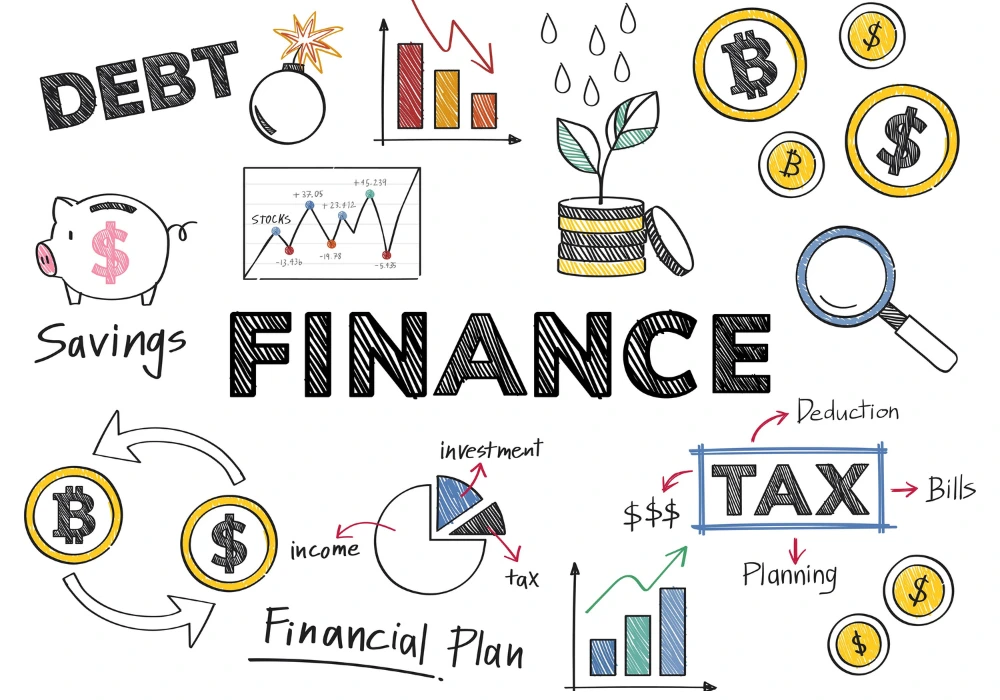
The 50/30/20 Budget Rule
A straightforward way to manage money is by following the 50/30/20 rule. Half of your income goes toward essential needs, thirty percent toward personal wants, and twenty percent toward savings or debt repayment. This balance prevents overspending while ensuring consistent growth in savings. It’s flexible enough to adjust to different lifestyles, yet structured enough to provide discipline. Using this method helps people maintain financial balance without feeling deprived, making it easier to stick to a budget long term.
Setting Clear Savings Goals
Clear goals give saving money purpose and direction. Instead of setting aside funds without reason, it helps to identify specific objectives such as creating an emergency fund, buying something special, or preparing for future plans. Breaking big goals into smaller steps makes them more manageable and rewarding. Tracking progress along the way builds motivation and focus. This approach transforms saving from a chore into an exciting journey with measurable results that encourage consistency and long-term commitment.
Automating Your Savings
One of the easiest ways to save is by automating it. Automatic transfers from checking to savings accounts ensure money is set aside before it can be spent. Even modest contributions can grow significantly over time when handled consistently. Automation removes the need to decide every month and keeps saving effortless. By paying yourself first, you make sure your financial growth is steady, predictable, and stress-free, allowing you to build wealth quietly in the background.
Trimming Recurring Costs
Recurring expenses often go unnoticed but can consume a large part of income. Subscriptions, premium apps, and unnecessary service plans are easy to overlook. Reviewing them regularly helps uncover opportunities to save. Canceling unused memberships or switching to lower-cost alternatives frees up money that can go directly into savings. The process also encourages intentional spending, where every purchase is tied to actual value. Over time, trimming these recurring costs strengthens overall financial health with little sacrifice.
Smarter Shopping Habits
Shopping habits play a big role in saving money. Comparing prices, waiting before making purchases, and using discounts or cashback rewards can reduce expenses significantly. Buying in bulk for essentials also provides long-term savings. Avoiding impulse buys through waiting rules ensures that only meaningful purchases are made. Smarter shopping is not about restriction, but about thoughtful choices that provide better value. These habits make it possible to enjoy purchases while still protecting financial goals effectively.

Building an Emergency Fund
An emergency fund is a financial safety net that protects you from unexpected situations. Whether it’s a medical bill or a car repair, having money set aside prevents stress and reliance on credit. Aiming for three to six months of essential expenses is ideal, but even smaller amounts provide peace of mind. Building this fund slowly but steadily ensures long-term security. It’s one of the most important steps toward financial independence and overall stability in life.
Lifestyle Adjustments That Save
Simple lifestyle choices can significantly boost savings. Cooking at home instead of dining out often reduces costs and improves health. Choosing free or low-cost entertainment and being selective with big purchases also helps. Practicing minimalism encourages buying only what adds real value, creating both financial and personal freedom. Small lifestyle adjustments compound over time, turning everyday decisions into consistent savings. These changes make money management more natural and rewarding without feeling forced or restrictive.
Staying Motivated to Save
Motivation is key to keeping savings on track. Celebrating small wins, like reaching a short-term target, creates positive momentum. Reminders of why you’re saving, whether for security or freedom, keep you focused. Surrounding yourself with supportive influences also helps maintain discipline. Motivation ensures that saving becomes a lasting habit rather than a temporary effort. With consistent encouragement and rewards, the journey becomes easier, transforming financial goals into reality and building confidence for the future.

Conclusion
Saving money is not about cutting out everything you enjoy. It’s about taking control and making intentional choices. By tracking spending, automating savings, trimming recurring costs, and building an emergency fund, anyone can grow financially stronger. gomyfinance.com saving money offers practical steps to make this journey easier. The real reward is not just money saved, but the confidence and freedom gained. Start small, stay consistent, and let every step bring you closer to financial independence.
FAQs:
What is gomyfinance.com saving money?
It’s a personal finance resource that offers practical tips, budgeting strategies, and tools to help people manage spending and save more effectively.
How does the 50/30/20 rule work?
This rule divides income into 50% for needs, 30% for wants, and 20% for savings or debt repayment, providing balance and financial discipline.
Why is tracking expenses important?
Tracking expenses highlights hidden spending habits, reveals where money leaks occur, and encourages better decisions for saving and budgeting.
How much should be in an emergency fund?
Ideally, an emergency fund should cover three to six months of essential expenses, but even smaller amounts provide helpful security.
What’s the easiest way to start saving?
Automating transfers into savings accounts makes the process effortless, ensuring consistent growth without relying on constant self-discipline.